Understanding the Deer Parks at Curraghmore
Learn about the fallow and sika deer that call these parks home. Spotting tips, best times, and how to observe respectfully without disturbing them.

Two Deer Species Call Curraghmore Home
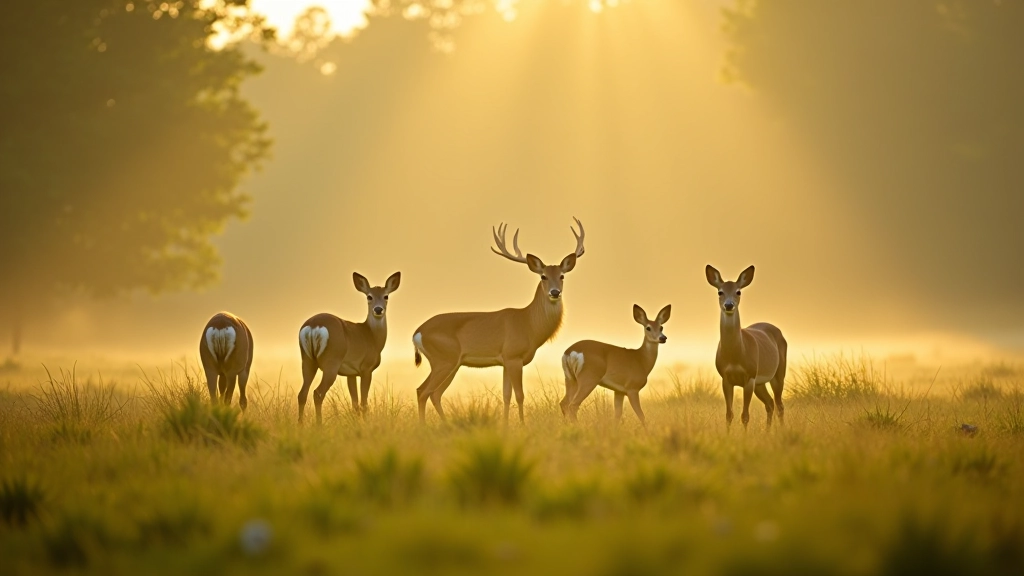
Curraghmore's deer parks aren't just beautiful — they're living history. The fallow deer here have grazed these grounds for centuries, their presence woven into the estate's identity. You'll also find sika deer, smaller and more elusive, creating a fascinating mix of species.
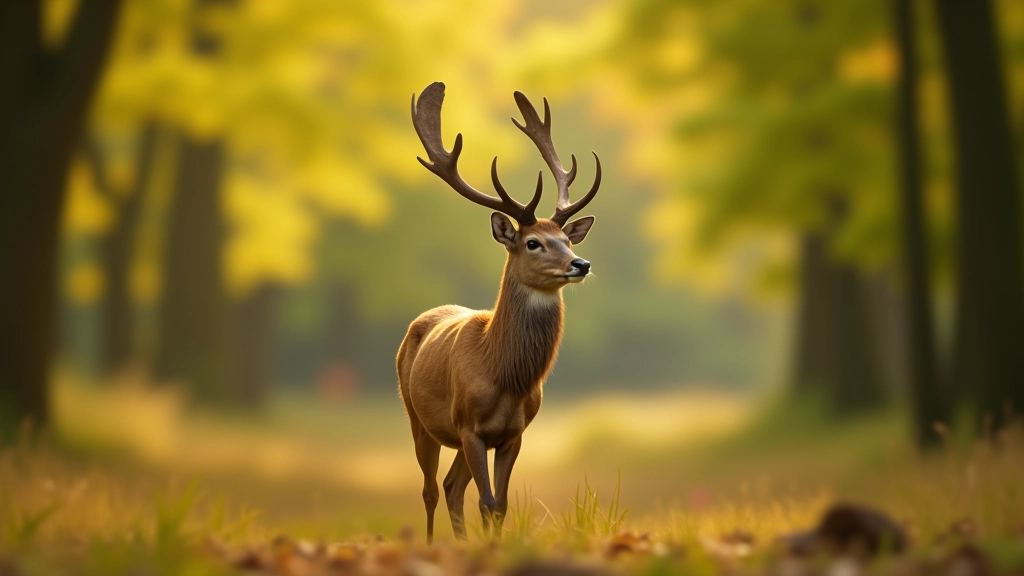
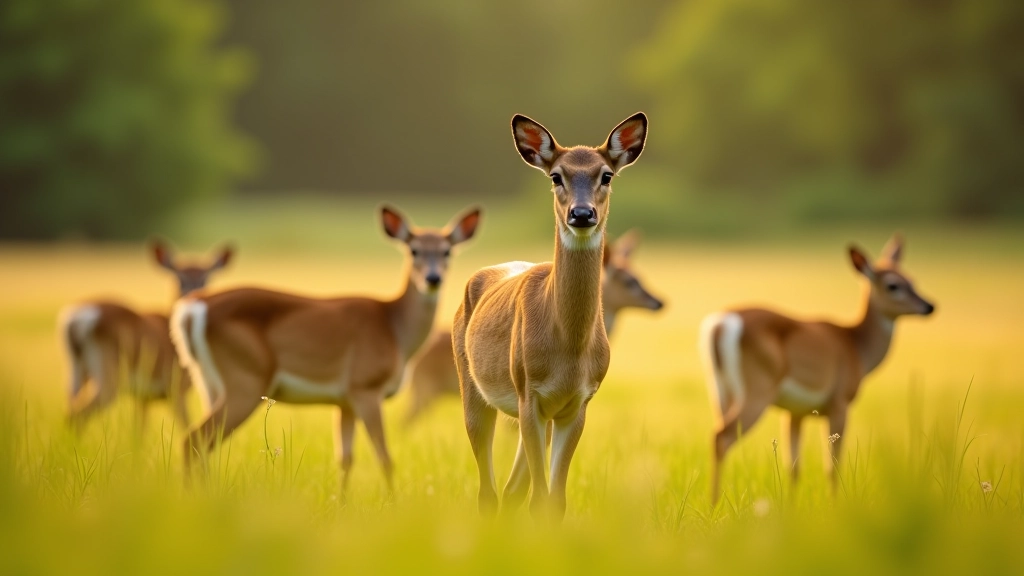
Fallow deer are the ones you'll notice first. They're larger, standing around 85-95 centimetres at the shoulder, with distinctive palmate antlers (the flat, branched kind) that make males unmistakable. The does are sleeker, without antlers, and often spotted in small groups moving through open meadows. What makes them special here is their coat — you'll see both the traditional reddish-brown with white spots and the darker varieties. They're not shy, but they're not domesticated either. There's a real wildness to them even when they're grazing nearby.
Sika Deer: Smaller, More Secretive
Sika deer are a different experience entirely. They're much smaller — around 60-70 centimetres at the shoulder — with slighter builds that make them look almost delicate compared to the fallow. Their coats are usually darker, reddish-brown or nearly black depending on the season. What you'll notice most? Their vocalizations. Unlike fallow deer, which are mostly silent, sika make distinctive whistling and squeaking sounds, especially during the rut (breeding season) in September and October.
Finding them takes patience. They're naturally more cautious than fallow deer, preferring woodland edges and thicker cover. But that's part of the appeal — there's genuine excitement in spotting them. They've been at Curraghmore for decades now, and they've established their own territories. You're not looking at captive animals; you're observing genuinely wild creatures that've adapted to life alongside the estate.
Important Note on Respectful Observation
This guide provides educational information about observing deer at Curraghmore. Wildlife behavior varies by individual and season. Always maintain a safe distance (at least 50 metres), never attempt to feed the deer, and follow all estate guidelines. During the rut season (September-October), bucks can be unpredictable — give them extra space. This information is intended to enhance your appreciation of the estate's wildlife, not replace proper safety precautions or estate instructions.
Best Times and Techniques for Spotting
Timing Matters More Than You'd Think
Early morning is your golden hour. Between 6 and 8 AM, deer are most active, moving through open areas to feed before the day gets busy. Late afternoon, around 4 PM onwards, gives you a second window. Midday? You'll rarely see them. They're bedded down in shaded woodland, conserving energy. Overcast days are actually better than bright sunshine — deer seem more relaxed when it's cloudy.
Avoid windy days if possible. Deer rely heavily on scent, and strong wind disrupts their ability to detect danger. That same wind also masks your approach, which sounds good but actually makes them jumpier. On still mornings, they're calmer, more likely to stay put rather than bolt at the first sign of movement.
How to Watch Without Disturbing
Movement is your enemy. Slow, deliberate motion is far less threatening than sudden gestures. If you're walking and spot a deer, don't stop dead — that's what predators do. Instead, keep moving slowly or sit down and wait. Deer recognize that humans are bipedal; crouching or sitting makes you less obviously human.
Position yourself downwind of where you expect to see deer. Their sense of smell is extraordinary — roughly 100 times better than ours — so wind direction genuinely matters. Check the estate map before you go; understanding the layout helps you predict where deer will be at different times.
Sound matters too. We tend to underestimate how much noise we make. Voices carry further than you'd think, and deer startle at sudden sounds. A quiet, measured approach works infinitely better than hiking enthusiastically through the park. You don't need expensive binoculars — even basic ones transform the experience, letting you watch from comfortable distance without approaching.
Seasonal Changes Shape What You'll See
The deer parks transform with the seasons, and what you experience in June looks completely different from September.
Spring (March-May)
Does are heavily pregnant or recently given birth. You'll see them more protective, less tolerant of disturbance. The landscape's lush, providing good cover. Fallow bucks are growing new antlers (in velvet), making them distinctive but also more irritable.
Summer (June-August)
Peak visibility season. Fawns are old enough to follow mothers, and family groups are active. Antlers are fully grown on bucks. Early mornings are genuinely magical — deer are everywhere, moving through open meadows. Sika are easier to spot as vegetation opens up.
Autumn (September-November)
The rut (breeding season) creates dramatic behavior changes. Bucks become aggressive, fighting for mates. Their distinctive calls echo through the parks — sika whistling, fallow barking. It's intense and fascinating but requires extra caution. Keep your distance from males.
Winter (December-February)
Food is scarcer, so deer concentrate near open areas where they can find forage. You might see larger groups. Fallow bucks drop their antlers in spring, so by winter they're shedding. Cold weather makes them less active, though you'll still find them during feeding times.
More Than Just Animals in a Park
Watching deer at Curraghmore isn't a passive activity — it's genuine engagement with wild creatures. Yes, they're semi-habituated to human presence, but they're not tame. They've got their own social structures, territorial systems, and behaviors. The more you understand about them — their seasons, their preferences, their personalities — the richer your experience becomes.
Start with the early mornings. Bring patience instead of expectations. Move slowly, stay downwind, and resist the urge to get closer "for a better look." The best wildlife experiences come from respecting boundaries, not pushing them. You're not visiting a zoo; you're entering their home as an observer, and that distinction makes all the difference.
Explore More About Curraghmore