
Spring: When the Gardens Wake Up
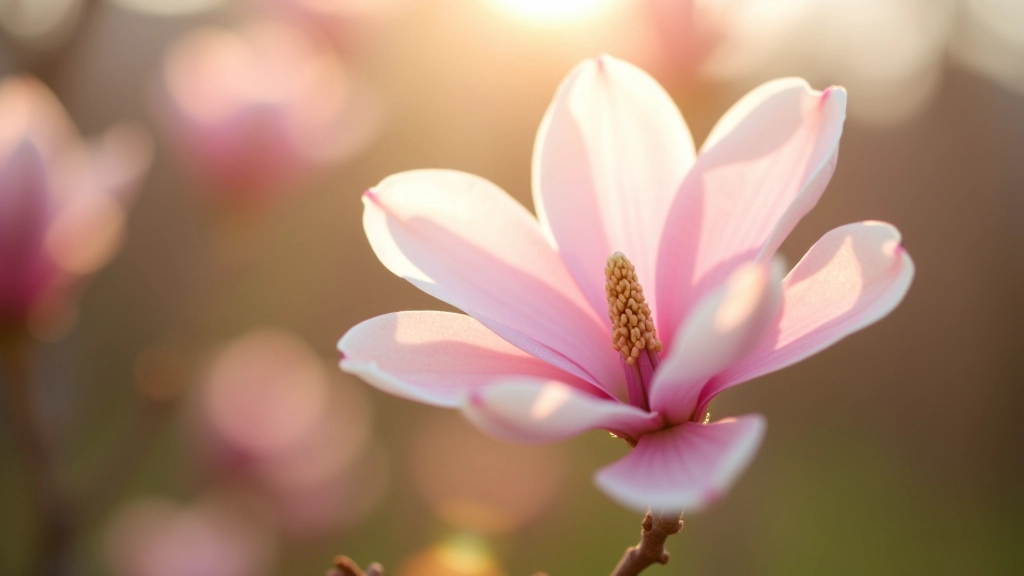
Spring at Mount Congreve is something special. The magnolia collection — and there are over 120 varieties here — creates an almost unreal spectacle from late March through May. Some years the flowers appear in early April, other years they'll hold off until mid-April depending on the weather.
You'll notice the gardens come alive in layers. First, the early magnolias bloom, soft pinks and pure whites against bare branches. Then the rhododendrons take over, with colors ranging from deep crimson to pale lavender. It's not just about the big statement flowers though — the woodland floor explodes with bluebells, wood anemones, and hellebores too.
Here's what catches most visitors off guard: the scent. Late April and May bring flowering shrubs that smell incredible — daphne, azaleas, and the ornamental cherries all releasing their perfume at once. You'll smell it before you see it.
Summer: Peak Color and Fragrance
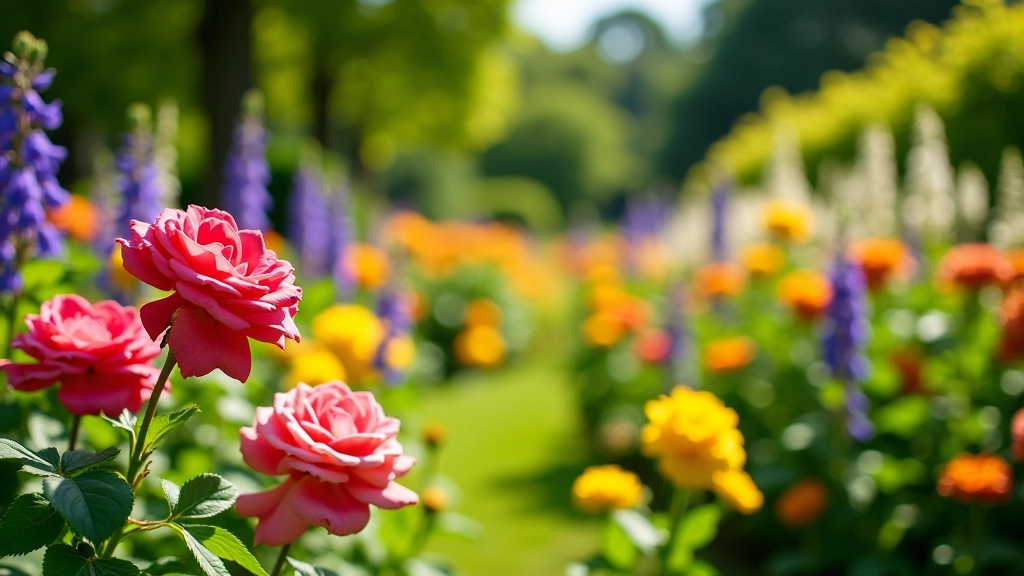
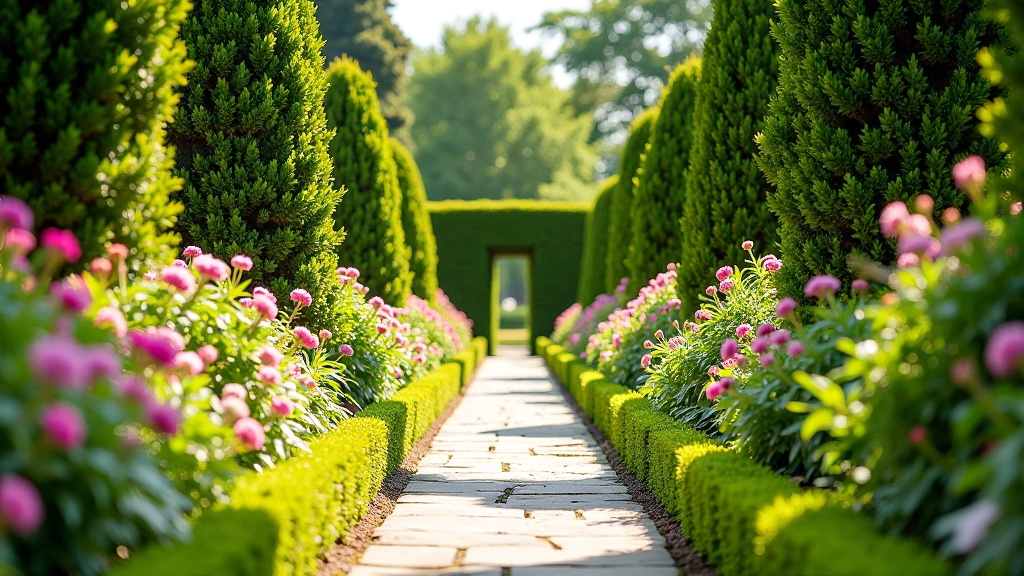
June through August is when Mount Congreve shows its real strength. The formal borders are at their absolute peak — roses, lavender, delphiniums, salvias, and dahlias all competing for attention. You're looking at hundreds of varieties across the garden.
The thing is, summer isn't just one burst of color. Early summer (June) features the roses and early perennials. Mid-summer (July) brings the delphiniums and dahlias into their stride. Late summer (August) extends the season with salvias and ornamental grasses that keep things interesting even as some earlier bloomers start to fade.
If you're planning a summer visit, go in late June or early July. You'll catch the roses at their absolute best before the heat stress gets to them. The grounds are open daily during summer months, and you'll want at least 2-3 hours to properly explore the different garden areas.
Peak Blooming Times at a Glance
- Early Spring (March-April): Magnolias, early cherry blossoms, hellebores
- Late Spring (May): Rhododendrons, azaleas, woodland flowers, daphne
- Early Summer (June): Roses, peonies, early delphiniums
- Mid-Summer (July): Dahlias, salvias, ornamental grasses, late roses
- Late Summer (August): Dahlias continue, grasses dominate, late bloomers
- Autumn (September-October): Asters, sedum, ornamental grasses, foliage color
Autumn: Gold, Bronze, and Late-Season Surprises
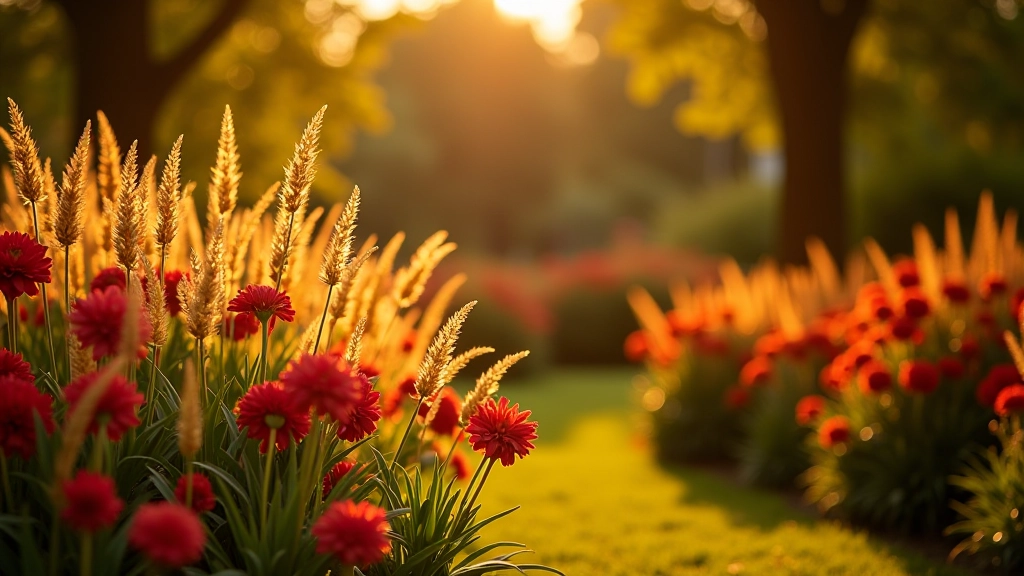
Don't skip autumn. We know most people think the garden season ends in August, but honestly, September and October offer something different. The dahlias are still going strong, asters fill in where summer bloomers have faded, and the ornamental grasses become the real stars.
The foliage shift is gradual. By mid-September, you'll notice the trees and shrubs starting to change color. The maples turn brilliant orange and red, the ornamental grasses glow golden in afternoon light, and the whole atmosphere becomes quieter and more contemplative than the vibrant summer months.
Late September is actually underrated for visits. The weather's usually better than summer — less intense heat, fewer crowds — and the light becomes softer and more photogenic. If you're into photography, autumn offers angles and colors you won't get any other time of year.
Winter and Early Spring: Quiet Beauty
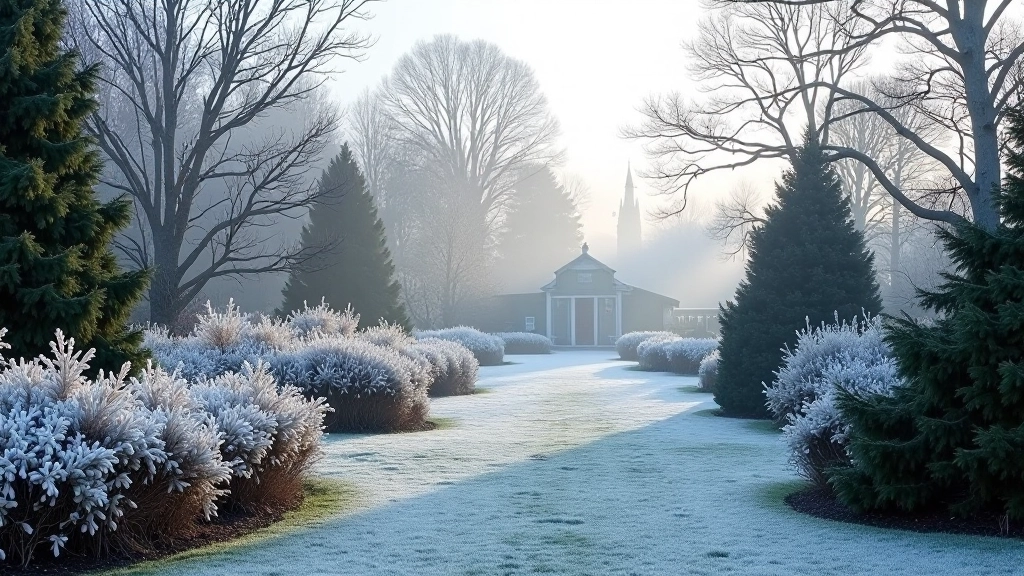
Winter at Mount Congreve is quieter than the other seasons, but it's not empty. Winter-flowering plants like hellebores, winter-blooming viburnums, and early camellias provide unexpected color. The structure of the garden becomes more visible too — the bones of the design, the pathways, the way the landscape flows.
You'll also appreciate the evergreen collections more in winter. The conifers and broadleaf evergreens provide consistent color and texture when deciduous plants are bare. It's a different kind of beauty — less showy, more subtle, but worth experiencing.
By late February and early March, the anticipation builds. The early magnolias start pushing buds, snowdrops and early bulbs appear, and you can feel the gardens preparing to wake up again. It's the moment where winter transforms into spring, and the cycle begins anew.